When people apply for jobs, scholarships, or school programs, they usually make use of the terms “CV” (curriculum vitae) and “resume” as if they mean the same thing. Both documents serve to introduce you to a company or organization, but they are not the same.
Submitting the incorrect document can subtly weaken an otherwise strong application. Being aware of the difference makes you look more experienced and shows that you know what the job really requires.
What a CV Is and When to Use It
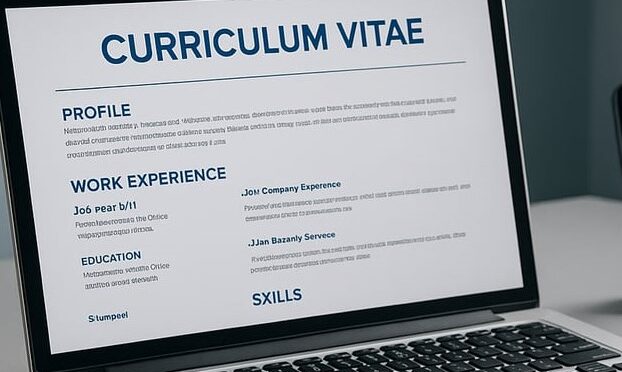
Often just called a “CV,” a curriculum vitae is a detailed record of your academic and work life. It’s meant to show depth, progression, and long-term growth, not just quick examples.
A CV is more than just a list of work titles. It lists all of your formal education, study and publications (if any), professional training, awards, affiliations, and certifications. Many jobs also require references, either explicitly stated or provided.
CVs tend to be longer because they have so much information. A lot of the time, two pages is just the start. Documents from college seniors or pros may be several pages long. The structure is usually thorough and in order, which lets people look at how your job has changed over time, providing a clear narrative of your professional development and achievements.
Most of the time, CVs are needed for academic and research jobs, scholarships and fellowships, medical and scientific jobs, and many foreign job applications, especially those from countries other than the United States.
What a Resume Is and How It Works
A resume is used for something very different. Instead of presenting your entire story, it concentrates on the key aspects relevant to the job at hand. It is concise, direct, and designed for quick reading.
A good resume shows off your most important skills, accomplishments, and most recent work. It focuses on results instead of duties and stays away from extraneous details. The point is not to list all the things you’ve done, but to show why you are a good candidate for this job.
Most resumes are between one and two pages long and are made to fit each job application. People often use them for business and private sector jobs, internships, and entry- to mid-level jobs, especially in the U.S. and Canada.
What Makes a CV Different from a Resume
This is the easiest way to think about it. One is about depth, and the other is about applicability.
There is a lot of information about your job on a CV, especially about your academic and professional background. This is not true for a resume, though. It only shows the things that back your application for a certain job, such as relevant skills, experiences, and accomplishments that align with the specific requirements of that position.
A CV changes little by little as your job changes. Changes are often made to resumes to match new job descriptions and employer standards, ensuring that the most relevant skills and experiences are highlighted for each specific application.
How to Figure Out Which One You Need
A lot of the time, the application will make it clear whether you need a CV or a resume. When it does, you should always do exactly what it says.
You will need a CV for academic, research, or teaching jobs; for jobs in other countries where CVs are common; and for grants, scholarships, and internships. If the organization specifically asks for a CV, sending anything else can quickly get your application thrown out.
Most business and private sector jobs, particularly in the U.S. and Canada, require a resume. If the job ad asks for a resume or talks a lot about skills and results, you should usually send one.
If the employer doesn’t say, what should you do?
Context is important when the program doesn’t make it clear which document to send. Research the company’s location, the type of work it does, and similar job openings. For corporate jobs, you usually need a resume, while for academic and study jobs, you need a CV.
If you choose the wrong document, employers may notice your lack of attention to detail before they even read your experience.
Why it’s Important to Hire a Professional SEO Expert
Quality is just as important as content when you send in a CV or a resume. Poor organization or outdated documents may lead to the rejection of even highly skilled candidates.
An optimized CV or resume is more readable, current, and designed to navigate applicant tracking systems. It makes your skills stand out, uses relevant keywords, and shows off your experience in a clean, professional way that fits with your brand. Presentation doesn’t change the qualities, but it makes sure that people can see and understand them.
CVs and resumes are used for different purposes, so it’s important to know when to use each. Using the right document, you can show others what you can do for them. You have a much better chance of moving forward if you make the right choice and show it well.
We are experts at writing CVs, improving resumes, and making LinkedIn profiles better here at Blueprint Universe. We assist students, professionals, and business leaders in showcasing their skills in a manner that garners attention and creates genuine opportunities.
Are you uncertain about the type of file you require or how to enhance the one you already have? We’re delighted to help you.